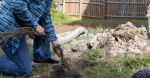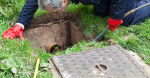
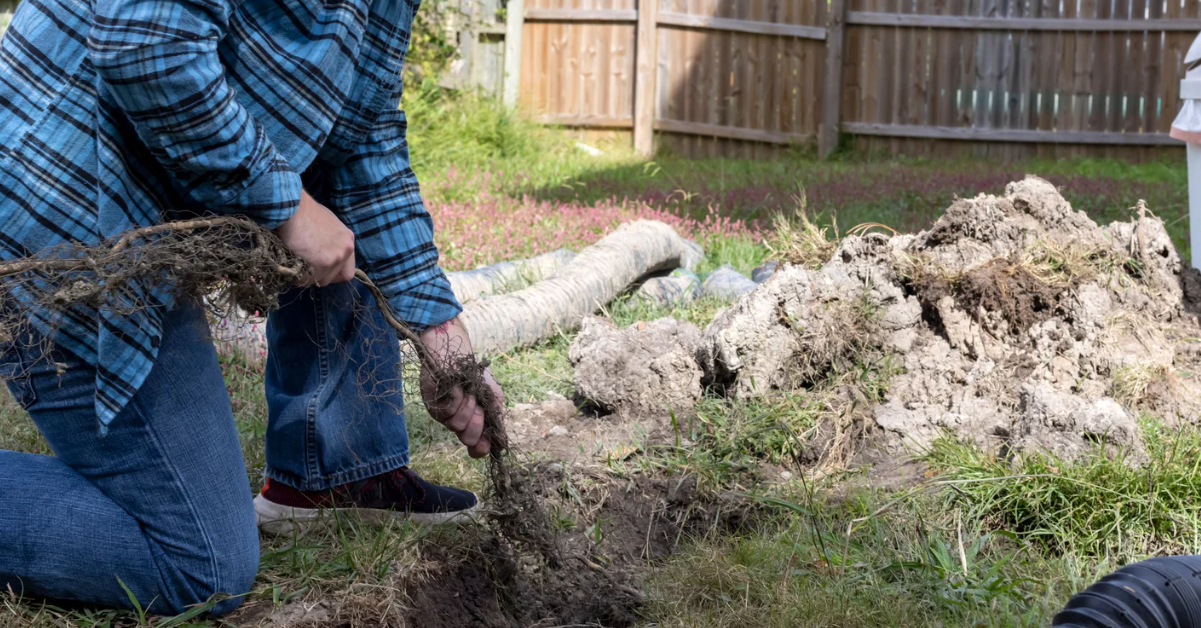
Cairns’ lush tropical landscape is one of our region’s greatest assets, with magnificent native trees and exotic plants creating the green canopy that makes our city so beautiful and liveable. However, this same vegetation that enhances our lifestyle can create serious problems for homeowners when aggressive root systems infiltrate underground drainage pipes in their constant search for water and nutrients. Tree roots represent one of the most common and costly causes of blocked drains in Cairns, affecting thousands of properties each year and requiring specialized professional intervention to resolve effectively. Understanding why roots target drainage systems, recognising the warning signs of root intrusion, and knowing the modern solutions available can help homeowners protect their property investment while preserving the magnificent trees that make Cairns such a special place to live.
Why Roots Target Pipes
Pipes as a water source represent an irresistible attraction for tree root systems in Cairns’ tropical climate, where plants require enormous amounts of water to sustain growth during our hot, humid summers and periodic dry spells. Underground drainage pipes provide consistent moisture availability that trees can access year-round, unlike surface water sources that fluctuate with rainfall patterns and seasonal variations. Even small leaks or condensation around pipes create moisture gradients in surrounding soil that tree roots detect and follow with remarkable precision, sometimes travelling dozens of metres to reach these reliable water sources.
The root systems of popular Cairns tree species are particularly aggressive in seeking water sources, with species like fig trees, palm trees, and native paperbarks developing extensive underground networks that can extend far beyond the tree’s canopy line. These roots grow continuously throughout the year in our frost-free climate, unlike temperate regions where winter dormancy provides respite from root expansion. The combination of year-round growing conditions and periodic dry spells when surface water becomes scarce creates perfect conditions for roots to actively seek and infiltrate any available underground water source.
Tree roots also target the nutrient-rich environment that exists around drainage pipes, where organic matter from household waste, soap residues, and decomposing materials creates ideal growing conditions. Sewer lines in particular attract root intrusion because they provide both water and nutrients that support rapid root development once initial infiltration occurs. This dual attraction means that even small initial root intrusions can quickly develop into major blockage problems as roots establish themselves inside pipe systems and continue growing in the nutrient-rich environment.
Cracked pipes as entry points provide the initial access that allows tree roots to infiltrate drainage systems and establish the major blockages that eventually require professional intervention. These cracks often develop gradually over years due to ground movement, settling, temperature changes, or normal aging of pipe materials, creating tiny openings that wouldn’t affect drainage performance but provide sufficient access for microscopic root hairs to enter pipe systems. Once inside, these root hairs grow rapidly in the moist, nutrient-rich environment, expanding and branching until they create dense mats that completely obstruct water flow.
Queensland’s reactive clay soils contribute significantly to pipe cracking that enables root intrusion, as these soils expand and contract dramatically with moisture changes, creating ongoing stress on underground pipe systems. During dry periods, clay soils shrink and create voids around pipes, while heavy rains cause rapid expansion that can crush or crack pipes that have lost adequate bedding support. This cycle of expansion and contraction continues throughout the year in Cairns, gradually creating the small cracks and joint separations that provide entry points for opportunistic tree roots.
Older drainage systems in established Cairns suburbs are particularly vulnerable to root intrusion because pipe materials and installation methods used decades ago weren’t designed to resist modern root pressure or handle the reactive soil conditions common in our region. Clay pipes, which were standard in many areas until the 1980s, become brittle over time and develop hairline cracks that are invisible from outside but provide perfect entry points for root systems. Even early PVC installations may lack the joint sealing technology used in modern systems, creating potential infiltration points at every pipe connection.
Signs of Tree Root Blockages
Slow drains across the home represent one of the earliest and most reliable indicators of tree root intrusion in drainage systems, as roots typically affect main sewer lines that serve multiple fixtures throughout the property. Unlike blockages in individual fixture blocked drains that affect only one sink or shower, root blockages usually cause drainage problems in bathrooms, kitchens, and laundry areas simultaneously, with symptoms developing gradually over weeks or months as root masses expand inside pipes. Initially, homeowners might notice that multiple drains take slightly longer to empty, or that drainage performance varies depending on water usage patterns throughout the day.
The progressive nature of root blockages means symptoms often worsen during specific seasons, particularly during Cairns’ dry periods when trees become more aggressive in seeking water sources and existing root masses expand as they absorb available moisture. Conversely, during heavy rainfall periods, root blockages may temporarily improve as increased water pressure helps push waste through partially obstructed pipes, only to worsen again as water levels subside and root masses re-expand to fill available space.
Professional plumbers report that homeowners often dismiss early signs of root intrusion as normal aging of their drainage system, delaying professional assessment until blockages become severe enough to cause overflows or complete system failure. Early professional intervention when multiple slow blocked drains first appear typically costs between A$300-A$800 for inspection and minor root removal, compared to A$2,000-A$8,000 for major root removal and pipe repair once blockages become severe.
Gurgling toilets and pipes create distinctive sounds that often indicate tree root blockages in main sewer lines, as roots create irregular obstructions that cause air bubbles and turbulent water flow through affected pipe sections. These gurgling sounds typically occur when water drains from one fixture and air is drawn through other fixture traps, indicating that normal drainage flow has been disrupted by obstructions in shared drainage lines. The sounds may be most noticeable when large volumes of water drain quickly, such as when toilets flush or washing machines empty, creating pressure differentials that highlight the restricted flow caused by root blockages.
Gurgling sounds often accompany other symptoms like slow drainage or unpleasant odours, creating a combination that strongly suggests root intrusion rather than simple blockages from household waste or debris. The timing and location of gurgling sounds can help professional plumbers identify the approximate location of root blockages, as sounds typically originate from fixture traps closest to the affected pipe section. RF Blocked Drains Cairns technicians use this symptom information along with specialized inspection equipment to locate and assess root intrusions accurately before recommending appropriate treatment methods.
Additional warning signs include wet areas in yards where root-damaged pipes are leaking, unusually green or lush grass growth over sewer lines where leaked nutrients are fertilizing surface vegetation, and unpleasant odours around outdoor drainage areas where root blockages are causing waste to back up in pipe systems. These outdoor symptoms often appear before indoor drainage problems become severe, providing opportunities for early intervention that can prevent costly emergency repairs and property damage.
Professional Solutions
CCTV drain inspection represents the most accurate and cost-effective method for diagnosing tree root problems in drainage systems, allowing professional plumbers to see exactly what’s happening inside pipes without excavation or guesswork. Modern drain inspection cameras provide high-definition video footage that reveals the location, extent, and severity of root intrusions, helping technicians develop appropriate treatment strategies that address specific conditions in each drainage system. This visual inspection process typically costs between A$200-A$400 but can prevent thousands of dollars in unnecessary excavation or inappropriate treatment methods that don’t address the actual root problem.
Professional inspection reports include video documentation and detailed location mapping that shows exactly where root intrusions occur, which pipe sections are affected, and what treatment methods will be most effective for resolving the blockage. This information helps homeowners understand the scope of root problems and make informed decisions about repair options, while also providing valuable documentation for insurance claims or property sale disclosures. The Master Plumbers Association recommends annual CCTV inspections for properties with mature trees, as early detection of root intrusions allows for less invasive and more cost-effective treatment methods.
Water jetting and root cutting services provide immediate relief from root blockages using high-pressure water systems equipped with specialized cutting heads designed to remove root masses from inside pipes. Professional water jetting equipment can generate pressures up to 4,000 PSI with cutting heads that slice through even dense root masses while flushing debris away from pipe systems. This mechanical root removal method typically costs between A$400-A$1,200 depending on the extent of root intrusion and accessibility of affected pipes, providing immediate restoration of drainage capacity without excavation or pipe replacement.
Root cutting services often include chemical treatments that help prevent rapid regrowth of root systems in cleared pipe sections. These treatments use copper sulfate or specialized foaming agents that create hostile environments for root development while being safe for pipe materials and septic systems. However, mechanical root removal typically provides only temporary relief from root problems unless combined with pipe repair or replacement that eliminates the cracks and joints that allowed initial root intrusion.
Professional root cutting may need to be repeated every 2-3 years depending on tree species, soil conditions, and the extent of pipe damage that continues to provide access points for new root growth. Some homeowners choose scheduled maintenance programs that include regular root cutting and inspection services to prevent major blockages from developing, with annual maintenance typically costing less than emergency repairs needed when root blockages cause complete system failure.
Pipe relining technology offers permanent solutions to root intrusion problems by installing new pipe linings inside existing damaged pipes, eliminating the cracks and joints that allow root access while restoring full drainage capacity. Modern pipe relining uses epoxy-saturated fabric liners that cure in place to create seamless new pipe surfaces inside existing drainage systems, typically lasting 50+ years without maintenance or root intrusion problems. This trenchless repair method costs between A$300-A$800 per linear metre but eliminates the need for excavation while providing permanent solutions that address underlying pipe damage rather than just removing existing root blockages.
Pipe relining works particularly well for addressing root problems in main sewer lines where excavation would be expensive and disruptive to landscaping, driveways, or building structures. The process involves cleaning existing pipes with high-pressure water jetting, inserting flexible liners saturated with resin, then curing the resin with heat or UV light to create hard, smooth pipe surfaces that roots cannot penetrate. Quality pipe relining installations typically include warranties of 35-50 years, making them cost-effective long-term solutions compared to repeated root cutting or traditional excavation and pipe replacement.
Preventing Future Root Infiltration
Regular inspections provide the foundation for effective root intrusion prevention by identifying potential problems before they develop into major blockages that require expensive emergency repairs. Annual CCTV drain inspections cost between A$200-A$400 but can detect early signs of root intrusion, pipe damage, or joint problems that create future access points for tree root systems. Early detection allows for proactive maintenance that costs significantly less than emergency repairs, while also preventing the property damage and health hazards associated with sewage backups and drainage system failures.
Professional inspection schedules should be coordinated with tree maintenance programs, as pruning and root barrier installation work best when combined with drainage system assessment and preventive treatments. Many Cairns plumbing companies offer comprehensive property maintenance programs that include regular drain inspections, preventive root treatments, and priority emergency service for customers who invest in ongoing maintenance rather than waiting for problems to develop.
Property owners with mature trees should maintain detailed records of inspection results, maintenance performed, and any root problems identified, as this documentation can be valuable for insurance claims, property sales, or warranty claims related to professional repair work. The Cairns Regional Council also requires property owners to maintain drainage systems in good working order, and regular inspection records demonstrate compliance with these requirements.
Tree planting considerations become crucial for preventing future root intrusion problems, as proper species selection and placement can eliminate most root-related drainage issues while maintaining the benefits of urban forestry that make Cairns such an attractive place to live. Native species like bottlebrush, grevillea, and smaller eucalyptus varieties typically have less aggressive root systems than exotic species like figs or large palms, while still providing the shade and aesthetic benefits that homeowners desire.
Professional landscape designers familiar with Cairns’ soil conditions and climate can recommend tree species and placement strategies that minimize root intrusion risks while maximizing the environmental and aesthetic benefits of mature trees. Generally, large trees should be planted at least 3-5 metres away from main sewer lines, with smaller species appropriate for closer placement depending on their root characteristics and mature size. Root barrier systems can also be installed during landscaping to direct root growth away from drainage areas while allowing trees to thrive in appropriate locations.
Existing mature trees that pose root intrusion risks don’t necessarily need removal, as professional root pruning, chemical treatments, and drainage system upgrades can often resolve conflicts between valuable trees and essential infrastructure. Qualified arborists can assess tree health and recommend appropriate root management strategies that preserve mature trees while protecting drainage systems from ongoing damage.
Frequently Asked Questions
Why do tree roots seek out drains?
Tree roots actively seek out blocked drains because they provide two essential elements that plants need for survival and growth: consistent water availability and nutrient-rich growing conditions that are particularly valuable in Cairns’ tropical climate. Underground drainage pipes offer year-round moisture access that doesn’t fluctuate with seasonal rainfall patterns, making them extremely attractive to tree root systems during dry periods when surface water sources become scarce or unreliable. Even tiny leaks, condensation, or moisture gradients around pipes create detectable moisture trails that tree roots follow with remarkable precision, sometimes traveling dozens of metres underground to reach these reliable water sources.
The nutrient content around drainage pipes, particularly sewer lines, provides additional attraction for root systems seeking optimal growing conditions. Household wastewater contains organic matter, soap residues, and dissolved nutrients that create ideal root development environments once initial access is achieved. This combination of water and nutrients makes drainage pipe areas far more attractive to tree roots than surrounding soil conditions, explaining why roots will bypass other potential growing areas to concentrate around pipe systems.
Queensland’s reactive clay soils amplify this attraction because they create challenging growing conditions for tree roots during dry periods when clay shrinks and becomes extremely hard and difficult to penetrate. During these conditions, the consistent moisture and easier growing conditions around drainage pipes become even more valuable to tree root systems. Additionally, the natural tendency of roots to grow toward water sources becomes more pronounced in tropical climates where plants require large amounts of water to sustain growth during extended hot, humid periods that characterize Cairns’ climate throughout much of the year.
What are the first signs of root intrusion?
The earliest signs of tree root intrusion typically appear as gradual changes in drainage performance across multiple fixtures throughout your home, rather than sudden blockages in individual drains that might indicate other types of problems. Slow drainage affecting bathrooms, kitchen sinks, and laundry areas simultaneously suggests that root blockages are developing in main sewer lines that serve these multiple connection points. Initially, these symptoms may be subtle, with fixtures taking slightly longer to drain or occasionally gurgling during drainage, but root blockages characteristically worsen over time as root masses continue growing inside pipe systems.
Seasonal variations in drainage performance often provide strong evidence of root intrusion, as symptoms typically worsen during dry periods when trees become more aggressive in seeking water sources and existing root masses expand to absorb available moisture. Conversely, drainage may temporarily improve during heavy rainfall when increased water pressure helps push waste through partially obstructed pipes. This cyclical pattern of symptoms distinguishes root blockages from other drainage problems that typically remain consistent regardless of weather conditions or seasonal changes.
Outdoor signs of root intrusion include unusually green or lush grass growth over sewer line areas where leaked nutrients are fertilizing surface vegetation, wet spots in yards during dry weather that indicate pipe leaks caused by root damage, and unpleasant odours around outdoor drainage areas where root blockages are causing waste to accumulate in pipe systems. Professional inspection becomes essential when these early warning signs appear, as CCTV drain inspection can confirm root intrusion and assess the extent of damage before blockages become severe enough to cause sewage backups or complete system failure that requires emergency intervention.
Can DIY methods remove tree roots?
DIY methods are generally ineffective and potentially dangerous for removing tree roots from drainage systems, as root blockages typically require specialized equipment and professional expertise to address safely and permanently. Tree roots that infiltrate pipes develop into dense, fibrous masses that are firmly attached to pipe walls and cannot be removed with household tools like plungers, drain snakes, or chemical cleaners commonly used for other types of blockages. Attempting to force these blockages can push root masses deeper into pipe systems where they become more difficult and expensive to remove professionally.
Chemical root killers available to homeowners, such as copper sulfate or foaming root treatments, may provide temporary relief from minor root intrusions but cannot remove established root masses that are causing significant blockage problems. These chemicals also pose environmental concerns in Cairns, where drainage systems eventually discharge into waterways that feed sensitive marine ecosystems including the Great Barrier Reef. Additionally, chemical treatments can be harmful to septic systems in rural areas by killing beneficial bacteria that process household waste.
Professional root removal requires high-pressure water jetting equipment that generates 2,000-4,000 PSI with specialized cutting heads designed to slice through root masses while flushing debris away from pipe systems. This equipment is expensive, potentially dangerous without proper training, and requires expertise to operate effectively without damaging pipe systems or creating more serious blockages. The Queensland Government’s plumbing guidelines recommend professional intervention for all root intrusion problems, as improper DIY attempts often worsen blockages and increase repair costs when professional help eventually becomes necessary.
How expensive is pipe relining?
Pipe relining costs in Cairns typically range from A$300 to A$800 per linear metre depending on pipe diameter, access conditions, and the extent of preparation work required before installation, making it a significant initial investment that provides long-term value through permanent root intrusion prevention and extended pipe lifespan. Factors that affect relining costs include the length of pipe sections requiring treatment, accessibility for equipment and technicians, soil conditions that may complicate the installation process, and whether additional services like high-pressure cleaning or root removal are needed before relining can be completed.
Compared to traditional excavation and pipe replacement, relining typically costs 40-60% less while providing similar or superior long-term performance without the additional expenses of landscaping restoration, driveway or pathway repair, and disruption to property use during construction. Excavation costs for replacing damaged sewer lines can easily exceed A$10,000-A$15,000 when access requires removal of concrete, established landscaping, or building structures, while trenchless pipe relining typically costs A$3,000-A$8,000 for typical residential main sewer line repairs.
Quality pipe relining installations include warranties of 35-50 years, making the long-term cost-effectiveness very favorable compared to repeated root cutting services that may cost A$500-A$1,200 every 2-3 years or eventual excavation and replacement when root damage becomes too extensive for temporary repairs. Many Cairns plumbing companies offer financing options for major pipe relining projects, recognizing that the upfront cost can be challenging for homeowners even though the long-term savings are substantial. Insurance coverage for pipe relining varies depending on policy terms and the cause of original damage, with some policies covering relining as a repair method while others may require traditional replacement methods.
Are some Cairns trees worse than others?
Certain tree species common in Cairns landscapes pose significantly higher risks for root intrusion problems due to their aggressive root systems, rapid growth rates, and tendency to seek water sources actively throughout the year in our tropical climate. Fig trees, including the popular Morton Bay figs and smaller ornamental varieties, have particularly invasive root systems that can travel enormous distances to reach drainage pipes and create extensive blockage problems once they gain access to pipe systems. These trees develop both deep taproot systems and extensive shallow root networks that make them extremely effective at locating and infiltrating any available water source.
Large palm species, including coconut palms and Alexander palms popular in Cairns landscaping, create dense, fibrous root masses near the surface that can completely fill drainage pipes once intrusion occurs. While palm roots don’t typically travel as far as fig tree roots, they create particularly stubborn blockages that are difficult to remove mechanically and tend to regrow quickly after cutting. Native paperbarks and some eucalyptus species also have aggressive root systems that actively seek water sources, particularly during dry periods when surface moisture becomes limited.
Safer tree choices for areas near drainage systems include bottlebrush varieties, smaller grevillea species, native frangipanis, and ornamental trees with less aggressive root systems that still provide the shade and aesthetic benefits that make trees valuable in Cairns’ climate. Professional landscape designers familiar with local conditions can recommend specific species and placement strategies that minimize root intrusion risks while maintaining the environmental benefits of urban forestry. Even high-risk tree species can often coexist with drainage systems when proper root barriers are installed during planting or when drainage systems are upgraded with root-resistant materials and installation methods that prevent initial intrusion.
Conclusion
Tree root intrusion represents one of the most serious and costly drainage problems that Cairns homeowners face, but modern diagnostic and treatment methods provide effective solutions that can resolve root blockages permanently while preserving the magnificent trees that make our city so liveable. Understanding why roots target drainage systems helps homeowners recognise early warning signs and seek professional help before minor intrusions develop into major blockages that require expensive emergency repairs. The combination of CCTV inspection technology, high-pressure root cutting, and permanent pipe relining solutions means that even severe root intrusion problems can be resolved cost-effectively without excavation or landscape destruction.
Prevention through proper tree selection, strategic placement, and regular drainage system maintenance provides the best long-term protection against root intrusion problems while maintaining the environmental and aesthetic benefits of mature urban forestry. Professional maintenance programs that include annual inspections and preventive treatments typically cost far less than emergency repairs needed when root blockages cause system failures, sewage backups, or structural damage to properties. Early intervention when warning signs first appear allows for less invasive and more cost-effective treatment options that address root problems before they become severe enough to require major repair work.
For more information about blocked drains services at RF Blocked Drains Cairns, check them out below: